venerdì 10 agosto 2012

Salam abu amneh سلام ابو امنه


ترعرعت الفنانه الفلسطينيه سلام ابو امنه في الناصره عاصمه الجليل مدينه المسيح عليه السلام , ونشأت في عائله فنيه تحب الوطن وتنمي في نفوس ابناءها الروح الوطنيه والالتزام الفني, ما يميز الفنانه سلام ابو امنه عدا عن غنائها والتزامها باللون الوطني التراثي الفلسطيني هو عزفها على اله العود بحيث تعتبر من اولى الفنانات القليلات اللواتي يعزفن العود اثناء الغناء . اشتركت الفنانه سلام ابو امنه في امسيات فنيه وطنيه عده مثل : احياء ذكرى يو الارض والنكبه وذكرى الكاريكتير الفلسطيني المعروف ناجي العلي ويوم الاسير الفلسطيني وغيرها الكثير. انتجت البوم غنائي خاص فبه يحمل عنوان " انا من هذه المدينه " وهي قصيده معروفه للقائد الراحل توفيق زياد والحان مارون اشقر , وجمعت في هذا الالبوم اجمل ما غني للوطن . احيت الفنانه سلام ابو امنه مهرجانات كبيره للجاليه الفلسطينيه في المانيا , عدا عن اشتراكها في اهم المهرجانات والامسيات الوطنيه الملتزمه التي تقام في هذه البلاد . تحمل الفنانه سلام ابو امنه اللقب الاول في تدريس الطفوله المبكره اللغه العربيه , وتعمل في سلك التعليم منذ عشر سنوات , وهي ام لطفلين .


( http://www.bandoora.com)


SALAM è una giovane palestinese nata a Nazareth e considerata una delle pochissime donne musiciste/cantanti che mentre cantano suonano Al‘OUD (liuto).
Salam è cresciuta in una famiglia di artisti e conservatrice dei valori musicali orientali dalle caratteristiche culturali palestinesi coi ritmi tradizionali. Ha suonato in diversi concerti nazionali (Palestina e Israele) legati ad eventi drammatici, che ricordano il famoso scrittore/vignettista Naji Al Ali e la “Giornata del Prigioniero Palestinese”. Ha inoltre condotto diversi concerti e festival internazionali accompagnando delegazioni palestinesi in Germania ed altri paesi Europei e Mediorientali.
Salam ha realizzato un album dal titolo “Io Vengo da Questa Terra” che contiene canzoni famose del grande poeta Tawfiq Zayyad e bellissime canzoni dedicate alla Palestina composte da Maroon Ashqar. Oltre alla sua carriera artistico/musicale Salam è anche insegnante affermata di lingua
araba a Nazareth.

Esegue i suoi concerti accompagnata dal suo gruppo musicale così composto:
Charlie Safyeh violino,
Osama Bisharat qanoon,
Muhammad Huwwary percussione,
Jamil Bishtawi flauto,
Nassar Nassar direttore artistico.

Il loro repertorio include diverse canzoni di cantanti arabi e palestinesi molto famosi quali Fairuz, Marcel Khalifa, Ahmad Qa’boor, Samih Shqayer ed Abu Arab oltre alle canzoni nazionali palestinesi d’archivio.

(http://salaam-ragazzidellolivo.blogspot.it)


The songs of Salam Abu Amneh


1 3layk salat allah -عليك صلاة الله
2 Ahen ila  Khoubz Ommy-أحن إلى خبز أمي
3 Ana Men Hathihi Al Madina-أنا من هذه المدينة
4 Asfour Tall-عصفور طل من الشباك
5 Haddy Ya Bahr-هدي يا بحر هدي
6 Nahnu ash shabab lana al ghad -نحن الشباب لنا الغد
7 Onshodat Al 3ors Al Falasteeni- انشودة العرس الفلسطيني
8 Rejea Al Khay-رجع الخي يا عين لا تدمعي
9  Sid El  Habayeb ya dabayat anta -سيد الحبايب يا ضنايا انت
10 Sid El  Habayeb-ست الحبايب
11 thalil-تهليل
12 Wallah  La Azra3ak Bel Dar- والله لزرعلك بالدار
13 Ya tayba-يا طيبة
14 Yama mwil al hawa-يما مويل الهوا
15 al 3ed -العيد


Fareeq al atrash فريق الأطرش


Poetry is not just written pieces with a certain numbers of syllables following a strict scheme. It can also be about making yourself heard in other ways, whether about love, politics, the environment or working class struggle. Hip-hop is this kind of poetry. Fareeq el Atrash is one of many Lebanese active hip-hop crews in the scene, but what sets them apart from others is the fact that they are a live band. The hip-hop tunes and lyrics are mixed with groovy and funky bass lines, for an innovative touch. They deal with issues as diverse as love, war, social and political matters, change, racism, dreams, corruption or stereotypes about hip hop. 
Current members are Edouard ‘Edd’ Abbas and Nasser ‘Chyno’ Shorbaji as The Emcees, Fayez ‘FZ’ Zouheiry is the beat-boxer and John ‘L’Bass’ Nasr as the Bass Player. Fareeq el Atrash include extra session musicians in their live Performances, such as Fouad Afra on the Drums, Raffi Mandalian on electric guitar and Arthur Sathyan on the Keys and Synth. Mashallah News had the chance to meet Edd to talk about the band and its relation to poetry.

How did it all start?

Before us, John had a collective band called Fareeq el Atrash. They were friends who used to jam together, until some of them traveled and others went separate ways. I met John early 2006, whom he continued to produce beats, so we started working on a project. In the meantime, FZ and I went to the same university, after hearing him beat-boxing in one of the classrooms, I asked him to join us in the process. The project took us almost a year to finish and another year trying to put it out on the shelf. It was released in the “pre-album launch party” at basement and ended up online for free to download after the launch of our official Fareeq el Atrash album with the current formation through forward music. Nasser also joined after. We were in the same play with director Nidal Ashkar. In other words, we are used to working with each other on stage.

We’ve been working on our set list since 2008, when Nasser and I started writing new songs with the ‘modern’ Fareeq el Atrash, if I dare say. We signed our first deal with Forward Music in January 2010. The album was released at La fête de la Musique at the Roman Baths in Downtown Beirut on June 21st 2010.

Do you see yourself as being the new type of Arab poets, with just a different style of saying things?

Yes. Hip hop is modern time poetry. Before, there was classical poetry like zajal , which had rules, basics and the certain type of flow it had to follow. The beauty of the old was the rules. With the evolution of time, poetry didn’t become easier, but it came closer to people and got more straightforward. The wording now is simpler, using the spoken language rather than the written one. Also, even though there are different dialects in the region, Arab emcees, as well as the public, can relate to each other because of the common causes and problems we face.


What do you think of when you hear the word poetry?


I think about 7keeleh . Journalist and photographer Simba Russeau created “Taste Culture” in 2009. This was made to fight racism and to encourage the mix and understanding of the African, European and Arab cultures. We both launched 7keeleh, which is part of Taste Culture. It is a poetry night with different genres, let it be classical poetry, rap or experimental music. Most of the poets who come are rappers. The participants are those who had something to say. At the end of each evening, there is an open mic, in which any member of the audience who feels like reading poetry can do so.

How do you see the future for Fareeq el Atrash?

Things are going pretty well for us these days. We are offered several opportunities to increase our exposure, not only on the local scene but also in the Arab world and internationally. For example, we had the chance to participate in the program Arabs Got Talent last month, which was a great way advertise our music. We performed songs that truly represent us, without thinking about censorship or wondering whether it would bother some people or not. This is usually how we work. Our second piece criticized the rusted and corrupted regimes of the region. We believe in never refusing anything or any opportunity. You never know what’s behind that door. In addition to that, our fans are our priority. We do the music because we love it, but also to keep pleasing and never disappointing them.
After 7keeleh, I created Sha3beh , event to expose emcees, DJs, VJs and new local talents. I know that it’s very hard to break through here, with the grip that media outlets and clubs have on music. The hip hop scene is very small in Lebanon and there are pure young talents. We hear mainstream songs everywhere whereas underground music is not getting the publicity it deserves. Radio and TV stations are still afraid of it. But this music is the only one that truly criticizes what is wrong, says what is happening and points out the truth. This is why Sha3beh is organized every month, with the fourth event only yesterday at t-marbouta in Hamra. I aim at pushing the hip hop scene.

How do you think that your message makes people think?

On each topic, everyone has a different perspective. So each song on any given theme might teach people a new angle. Emcees and us in Fareeq el Atrash deal with diverse topics: sometimes by going into details and sometimes keeping it general. We talk about personal things to explain emotions we might be going through, as well as more abstract issues like dreams. The real artist shows his character through his music and lyrics. I believe that songs can be powerful and change someone’s point of view and opinion. They can trigger something strong.

How do you see the future of Arabic hip-hop?

The Arab hip-hop scene has been very active, especially those past 2 years. Artists are working more because they see that people are evolving, and there are more and better ways of communication. It’s much simpler to reach out to other people now, with the internet, YouTube and facebook. Also, recording equipment is more accessible and less expensive. This means that we can record draft versions at home and know how to improve. But, until the issue of mainstream media’s single-minded focus is resolved, there will always be this barrier keeping hip-hop from evolving the way it deserves.

(Source : http://mashallahnews.com)


Fareeq al Atrash è una band libanese proveniente da Beirut attualmente composta da Edd (Eddourd Abbas), Chyno (Nasser Al Shorbaji), FZ (Fayez Zouheiry), John Imad Nasr, Goo (Ghassan Khayyat), DJ Stickfiggr . La prima formazione risale al 2003 ed era composta da John Nasr al basso, Ghassan Khayyat alla chitarra, Rawad Choubassy alla batteria, Issam Raad alle percussioni e DJ Stickfiggr ai piatti . La ragione sociale Fareeq al Atrash , traducibile come “ banda di sordi “ , è una storpiatura del nome di un famosissimo cantante arabo , Farid al Atrash. Un giorno la band si trovava a casa di Rawad Choubassy ,era in atto una riunione per trovare un nome al gruppo. La casa di Rawad confinava con un night club molto rumoroso che produceva un frastuono atroce , a quel punto Issam Raad sbottò il nome di "Fareeq el Atrash" appunto “banda di sordi” .
Purtroppo nel 2004 Issam perì tragicamente in un incidente stradale . Nello stesso anno DJ Stickfiggr si dovette assentare per impegni che lo avrebbero portato fuori dal Libano. Venne sostituito da DJ Lethal Skillz ( famoso rapper libanese) il quale nutriva da tempo un forte interesse nei confronti della band. É con questa formazione che Fareeq al Atrach si esibiscono nel 2005 presso The Basement , famoso club di Beirut . Subito dopo questa esibizione la band si sciolse . John Imad Nasr tentò di riformarla insieme a Goo e a Stickfiggr tornato in patria, aggiungendo Rabih Sakr alla batteria e Wissam Karam alla tronba . Riuscirono ad esibirsi una volta sola e la cosa non ebbe un seguito anche a causa del conflitto con Israele cominciato nel 2006.
Le cose cambiarono in meglio con L'arrivo di Edd (Eddourd Abbas). Edd, attivo dal 2001, aveva lavorato come solista e collaborava con vari gruppi. Dopo un primo periodo nel quale rappava in inglese era tornato da poco alla lingua araba. Fu presentato a John da un amico comune . John, molto colpito dallo stile vocale di Edd, rilassato, caldo , intellettuale,decise di collaborare come beatmaker alla creazione del suo disco solista. Durante la lavorazione del disco Edd ritrovò un suo vecchio compagno di università Fayez Zouheiry (FZ) , bravo Beatboxer , che fu subito entusiasta del lavoro creato . Quello nato come progetto solista si trasformò , come dicono loro, in un improbabile banda. A fronte del primo ingaggio come gruppo John decise di resuscitare il vecchio marchio .
Nel 2008 la famiglia cresce e si aggiungono alla band i vecchi padri fondatori : Goo e DJ Stickfiggr e una new entry , Chyno (Nasser Al Shorbaji) che affianca Edd al canto .
La musica espressa dalla band potrebbe essere classificata come hip hop alternativo poiché il gruppo è molto di più di una crew rap, la loro musica è completamente suonata e questo aggiunge un calore umano che non si trova nei suoni generati dalle macchine. I Fareeq el Atrash dispongono inoltre di uno strumento molto speciale che non si vede spesso in altri gruppi . Hanno un beatboxer! un essere umano che diventa strumento . FZ ha una voce molto versatile, capace di grandi prodezze .Sempre molto affidabile nella creazione di un colpo di tamburo costante e di effetti sonori adeguati aggiunge anche un tocco di umorismo. John, tornato a suonare il basso, è molto vecchia scuola . Ha un sapore funk granitico e potente. Lo stesso può dirsi per Goo alla chitarra. Edd ha una voce profonda e uno stile molto particolare . Il suo canto trasuda "saggezza", raccontando la sua storia con una serie di allitterazioni, giochi di parole e metafore. Non sta disperatamente cercando di convincerti che ogni singola parola pronunciata è al 100% verità innegabile. Semplicemente si accontenta di esprimere la sua opinione su tutto.
Chyno invece ha una voce più morbida rispetto a quella di Edd. Rappa in modo più tradizionale, le sue rime sono più spiritose ed elaborate . Il contrasto creato dalle due voci genera un risultato molto d'effetto.
Il processo creativo funziona come una catena di montaggio ben oliata: Edd lavora su parole e ritmi al computer e poi va in studio dove John, che suona basso ,pianoforte e la chitarra, ricerca le note; il resto del gruppo aggiunge effetti , ritmi e percussioni.In varie occasioni vengono affiancati da Fuad Zakka al sax tenore. I loro testi cercano di riflettere il mondo in cui vivono. Mostrano la loro identità, il loro punto di vista, che piaccia o no. Fareeq el Atrash resta “lontano dai politici”, senza mai rinunciare a dare la sua versione dei fatti, anche se può essere dura , affrontano sempre temi che colpiscono, temi che devono essere affrontati .

Dice Edd : “Ho scritto Demoqrati dopo la guerra del luglio 2006, ricordando reazioni e battaglie, dove nessuno cercava veramente una soluzione ai problemi. Ho parlato di errori delle due parti contrapposte in modo tale che chi ascolta finisce per chiedersi da che parte stia! Durante i concerti, tengo sempre d’occhio le persone un po’ più vecchie che non ballano e, a braccia conserte, ascoltano le cose che dico, perché capiscono l’arabo. Quando li vedo sorridere e poi improvvisamente fermarsi e sollevare un sopracciglio so che non gli è piaciuto quel che ho rappato. Sono loro che mi interessano. Alla fine dello spettacolo, alcuni vengono da me per incoraggiarmi”.

Edd continua a descrivere ciò che fa il gruppo libanese : “Con Simba Shani Kamaria Russeau, Nisreen Kaj e Hayeon Lee, abbiamo fondato ' Taste Culture ', un progetto che mira a riunire diversi generi musicali dando grande risalto al rap e allo slam. È con questo spirito che nel 2009 sono nate le serate di poesia rap Hkileh (parla con me). Hanno avuto un tale successo che siamo già alla sesta edizione. Alla fine di ogni serata, distribuiamo gratuitamente un CD con un pezzo nuovo o inedito di ogni partecipante che si è esibito sul palco”. Molti degli artisti invitati oggi sono noti e fanno serate come solisti. Ma la cosa importante è un’altra: “Bisogna ascoltare tutto. Quelli che vengono per il rap diventano un po’ impazienti, ma a volte scoprono uno stile nuovo che poi cominciano ad apprezzare”.
Il gruppo non è mai stato oggetto di tagli da parte della censura: “Non irritiamo nessuno perché usiamo spesso metafore e umorismo. Non seguiamo lo stile del gangsta rap. Siamo persone comuni con un lavoro, l’università… I nostri testi sono un po’ il nostro diario giornaliero”.
Queste sono le qualità che hanno permesso a Fareeq al Atrash di divenire uno dei migliori gruppi libanesi in circolazione. Tutti i componenti della band collaborano con varie realtà musicali .Edd e Chyno sono apparsi sull' album di debutto di DJ Lethal Skillz intitolato "New World Disorder": Edd nel pezzo"Byin7aka" e Chyno nella traccia "Scratching Skillz".
Il centro di lingua araba con sede a Beirut “Iqra” , che insegna a parlare, leggere e scrivere in arabo, ha commissionato loro un pezzo per Beirut Capitale Mondiale del Libro 2009. Il risultato è stata una canzone chiamata "Nammi Fekrak".
Sono apparsi in un film di Siska (6K) (ex membro del Kita3 Beirut) sull' hip hop libanese e hanno contribuito alla colonna sonora.

Prima di reclutare Chyno il gruppo aveva lavorato assiduamente alla produzione dell' album di esordio ma con l'arrivo del nuovo cantante i giochi sono cambiati ed i ragazzi hanno deciso di riscrivere tutto da capo. Invece di gettare alle ortiche le registrazioni fatte hanno deciso di farle uscire come progetto intitolato “Pre album” . Questo prodotto rappresenta il loro lato più astratto e sperimentale. Nei brani viene fatto largo uso di rumori, effetti e campioni creando un atmosfera , ricca di tinte jazz, che risulta essere più vicina al trip hop che al rap.
Dopo la firma di un contratto con la casa discografica FWD - forward music, hanno realizzato il loro vero primo album . Lo hanno presentato il 21 giugno 2010
nell'ambito de la " Fete de la Musique " presso le terme romane nel centro di Beirut .
Le sonorità del gruppo in questo lavoro si sono spostate decisamente verso il funk. I testi si occupano di tematiche che non rappresentano una priorità per altri rappers e vanno dall'importanza della perseveranza al concetto di amore profondo. Con questo disco Fareeq el Atrash ha innescato un movimento di esplorazione delle radici del hip hop , del funk, del soul e del blues facendo fare un grosso passo in avanti alla musica contemporanea medio orientale.


FAREEQ AL ATRASH PRE-ALBUM


1-Moqaddima
2-Demoqrati
3-Lawen
4-Byin7aka
5-Qatshe
6-Terikhna Bi Libnen
7-Khabriyten
8-Shou Kamish?
9-Lawen (Marra Tenye’)
10-Qatshe’ 2
11-Sadis
12-Sabe3 Nawme
13-Qatshe’ Ma3 Kamal
14-Tzakkar Hal Iyyem

DOWNLOAD PRE ALBUM

domenica 5 agosto 2012

Nizar Rohana – Sard نزار روحانا – سرد

Nizar Rohana نزار روحانا


Nizar Rohana is a prominent Oud player in the Palestinian musical scene. Rohana was born in the village of ‘Esefya on Mount Carmel in 1975. Nizar began his musical journey at an early age by playing the piano. At the age of fifteen, he discovered his father’s old Oud and since then he has been exploring his own Arab and eastern musical heritage. In 1996 he moved to Jerusalem to take up academic studies. Focusing his research on the music of the great Egyptian composer Mohammad el-Qasabji, Rohana completed his Masters degree in Musicology 2006.

Rohana’s experience as a performer is very rich and he has been playing in different groups and in different formats of Arabic classical, experimental and world music.

Together with an intensive activity on the local musical scene, during the last ten years Rohana has been performing in many countries around the world such as Japan, Morocco, Egypt, United States, Spain, England, Italy, France, Denmark, Germany, Holland, Belgium, Portugal and Switzerland.


(Source :http://www.surajmusic.com)


Nizar Rohana – Sard      نزار روحانا – سرد


Nizar Rohana – Sard نزار روحانا - سرد

1 - Sard (Narration) (06:14) سرد
2 - Emm el Zeinat (06:32) أم الزينات
3 - Ajam (08:02) عجم
4 - Iraq (04:56) عراق
5 - Sama’i Farahfaza (06:27) سماعي فرحفزا
6 - Hijaz (06:22) حجاز
7 - Ya rayeh sawb bladi (07:03) يارايح صوب بلادي

Samir Jubran سميرجبران - Tamaas / Sou' Fahm


Samir Joubran was born in Nazareth, Israel in 1973 in to a musical family – his father is a well-known oud maker and his mother is a singer. His father began to teach him the oud at the age of five, and at the age of nine he went on to study at the Music Institute in Nazareth. Samir later graduated from the Mohamed Abdul Wahab Conservatory in Cairo. He has performed throughout the Arab world, Europe and America, and is often accompanied on oud by his brother Wissam.

Samir Joubran would desperately like to be just an artist, with his music as his only passport. But Samir Joubran is also Palestinian. And in spite of himself he is more than ever Palestinian when he is an artist.

Thus he has to testify as an artist, but testifing for his people and for the ones who are far away, so far from the Middle East. If we have to play, we must abandon the virtuoso, the beautiful, the flattering, to let the pure emotions speak.
It is not by accident that he invites his brother, the one with whom words are useless, the one who feels sisterly emotions in his flesh , to build a silent and fragile defence against the shrilling of the F16’s.

It was for the Nuits Atypiques in Langon, August 2002 that Samir Joubran chose to perform his unique recent European concert. His wife and his daughter stayed in Ramallah. Every hour, he listened out for the news on the radio. Without any words but the singing of the Ouds, the public, deeply moved by the intensity, the despair, warmly parel homage to the two brothers.

At the end of the recording, in Eastern Jerusalem, Samir apologized for not having been able to set aside his country’s current events, for having talked about the war, which goes on and on…
Then why are we so much affected by the serenity which irradiates from this record ?
Could it be that the artist, when he talks about war, is in fact advocating peace ?


(Source :http://oudmusic.wordpress.com)


Samir Joubran - Tamaas Oud Duo


01. Khiyanat Mariha
02. Tamaas
03. Tanaas
04. Sama'e Bayat
05. Khalaas
06. Takaseem
07. Ramallah August 10th
08. El Nesf El Akhar/Astoria

 HERE


Samir Joubran - Sou' Fahm


01 Ramallah - August 10
02 Lamma Bada
03 Nafas
04 Asturias
05 Nay
06 Turaab Ahmar
07 Duet al Nisf Al Akhar
08 Lahn al Khuloud
09 Badiyat Al Mareekh

 HERE

sabato 4 agosto 2012

Fayrouz Karawya فيروز كراوي - Barra Menny


Fayrouz Karawya (  فيروز كراوي )  was born in the coastal city of Port Said in Egypt. Her relationship with music and singing started early in her life when one of her primary school’s nuns discovered her beautiful voice and asked her to join the school’s chorus. Fayrouz’s fascination in music encouraged her to further advance her musical background. In 1994, she obtained a three-year diploma from the Institute of Arab Music in voice/oriental singing, reading musical notes, performance and composition for the lute.

She was enrolled in the Cairo University School of Medicine where she developed a special interest in psychiatry and received her bachelor degree in 2003. During her medical studies, Fayrouz performed only one song in the Egyptian Movie, the Secrets of Girls. Upon her graduation, she worked as a resident doctor in Dar Al Mokattam Hospital for Mental Health for one year. During that time, Fayrouz realized that her true passion is about art, music and singing in particular. Fayrouz’s desire to be a professional artist made her join the Misaharaty Independent Theatre Group as an assistant director, a musical editor and a leading singer. She preformed in three plays “Sehraya”, “Hakawi El Haramlek”, and “Helw Masr”. At the same time, Fayrouz joined the “Center of Artistic Creativity” at the Cairo Opera House where she worked as an executive director and music editor for the ‘King Lear’ spectacle. A long side her musical endeavor, she participated in the making of a documentary film, ‘Six girls’ which depicts the life of six Egyptian girls living together in an apartment in Cairo. She also wrote a script for a short-feature movie, “Sabah el Fol”, which was based on the theatre monologue ‘Rise and Shine’ by the Italian playwright Dario Fo. This script brought her the Golden Eagle Prize presented by Rotterdam’s Arab Film Festival for its “extra-ordinary narrative skills”.


In 2006, Fayrouz started an ambitious musical project which aims at going beyond the current trends of Egyptian singing styles. Fayrouz’s project, on the level of the lyrics, is to introduce new songs that emanate from the contemporary Egyptian reality. Her dream is to come up with songs that don’t only focus on the theme of love, but also address all kinds of social and personal dilemmas. In her first concert, her songs tackle different issues such as alienation, how girls view the world and themselves and peace and war. Her love songs tackle love conflicts and try to give a multi-dimensional picture of love relationships in the nowadays context. Her target is to find out the essence of love and to shad light on untapped emotional states and deal frankly against an imaginary picture of perfect and romantic love.

On the other hand, Fayrouz’s dream is to present a different musical experience that suits the subjects of her songs and that expresses and stresses the dramatic dimensions of them. She diffuses all kind of music in order to create an authentic style of her own. Her music is a hybrid that combines an authentic oriental flavor with a modern progressive musical style. She capitalizes on various instruments, oriental and western to enrich the musical experience with different abilities for arrangement and to develop a formula that suits a global listener who turned to be eclectic and selective from a wide range of the world music abundant and available around the world.


Fayrouz Karawya - Barra Menny


01 Alb El Woshoush
02 Barra Menny
03 Mangam Hob
04 Haga Wahda
05 Bataly El Methaly
06 Wo Yekoun Fi Maaloumak
07 Garrabt
08 Aasheq Alil El Bakht
09 Baaddy El Sharea
10 Ya Neina
11 Banat Banat
12 Baftah Shebbak El Sobheya
13 El Qahwa


Turab تراب - Hada Leil هـــــادا ليلل / Adam


The music group Turab (Soil or Earth in Arabic) was formed in 2004 by a group of seven musicians seeking to create an original Palestinian sound. Turab strives to translate into music the complexities of politics, occupation, poverty, love, and daily life in present-day Palestine. It draws on a distinguished tradition of political and social music, yet hits a unique note all of its own. Turab’s style is informed by a variety of musical traditions, including Arabic, reggae, Latin and jazz, among others. The end result is a distinct fusion that appeals to a wide audience.

Turab’s debut CD, HadaLeil, was recorded and produced in June 2006 in Jerusalem. Turab’s music is inspired by various musical styles and traditions, including Arabic classical maqamat or modes, Latin, jazz and reggae. The lyrics of the songs were adapted from poems written by contemporary Palestinian poets, set to original scores composed by Basel Zayed.

Turab’s work is an important contribution to contemporary Palestinian music, and has gained acclaim both locally and internationally. The group has held a number of performances throughout Palestine, drawing large audiences and enthusiastic media reviews, leading many to call Turab’s music “the new sound of Palestine.”

Musicians:
Basel Zayed- Composer, ‘Oud, Vocals
Hishem Abu Jabal- Guitar
Mohamed Quttati- Accordion
Mohamed Nijem- Clarinet, Nay
Yousef Zayed- Bazouq, Percussion
Tariq Rantissi- Percussion
Katie Taylor- String Bass


http://www.baselzayed.com/ 

(Source :http://folkmusicsmb.blogspot.it )


Hada Leil هـــــادا ليل


(1). Had El-Umor
(2). Umro Aseer
(3). Khilqa
(4). Ya Ammi Ya Ameen
(5). Hada Leil
(6). Li Hadil El-Hamam
(7). Jenin
(8). Sharek Dahab
(9). Lamma El-Leil
(10). Tafran
(11). Kamm
(12). Mahmoud  


Adam  


1. Foaq El-Itmeh "On the darkness"
2. Harb Ahleyeh "Civil war"
3. Doleh "Country"
4. Marhaba "Hello"
5. Jarreb "Try"
6. Sharreq gharreb "Go east go west"
7. Intasar "Victory"
8. Kunt "Yesterday"
9. Adam "Adam"


DOWNLOAD

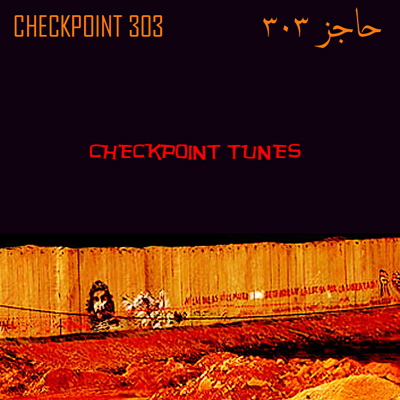
CHECKPOINT 303 - Echoes of Beirut / Checkpoint Tunes / Sidi Bouzid Syndrome


checkpoint 303 is inspired by the sounds that pace the daily lives of millions of people in the middle east. screeching sounds of bullets. echoing injustice. uproar. revolt. dispair and sadness. and still amidst all this the soothing sounds. of hope. of normality. trivial acts. life like everywhere else. this is not a video game. violence is not a moving image on tv. it's the daily nightmare of millions...
the electronic experiment kicked off in 2004 when tunisian sound cutter SC MoCha teamed up with Bethlehem based palestinian sound catcher SC Yosh to form Checkpoint 303. the idea was to cut, track, fragment and reconstruct the audio soundscape from daily lives in the middle east. new audio reporting on injustice. Paris-based SC MoCha reworks the field recordings made by SC Yosh in the occupied territories into rhythmical transcriptions that range from raw acoustic aggression to synthetic soothing tunes with everything in between.

several artists and friends from around the globe contribute to Checkpoint 303's recordings. recent collaborations include Cheikh Julian, Noise Generator SoM, VL MonaLisa, Ms K. SuShi, Mehdi Douss, Melski & Damski.

(Source : http://checkpoint303.free.fr )


CHECKPOINT 303 è un collettivo musicale emergente della scena elettronica araba . Il progetto, assolutamente no-profit , ruota intorno alla figura del duo composto dal sound cutter tunisino MOCHA e dal sound catcher palestinese YOSH ,nativo di Betlemme. Il loro nome si ispira ad un checkpoint reale , il numero 300 , situato tra Betlemme e Gerusalemme. Il Nome del gruppo è stato modificato in CHECKPOINT 303 per rappresentare la simmetria vigente nella musica elettronica. La nascita di questo checkpoint virtuale rappresenta , secondo le parole di Mocha, un atto di resistenza artistica. Il progetto è nato nel 2004 con lo scopo di ricostruire il paesaggio sonoro della vita quotidiana di milioni di persone in Palestina e in Medio Oriente , amalgamando e rielaborando suoni presi dalla strada con beat elettronici. Quindi nei loro pezzi possiamo ascoltare i rumori di un ‘ esistenza sotto assedio fatta di stridenti suoni di pallottole, rumori del traffico, tumulti ma anche campioni presi dalla Tv ,voci di persone , canzoni e vecchie registrazioni radio. Di base a Parigi SC Mocha rielabora le registrazioni sul campo effettuate da SC Yosh il quale vaga con un microfono, tra Ramallah, Gerusalemme, Betlemme e Gaza , registrando ogni situazione , dalla più banale alla più esplosiva .L’elaborazione dei pezzi avviene servendosi anche di collaboratori internazionali . Fiancheggiatori quasi fissi del collettivo sono Cheikh Julio (field recordings e immagini), Noise Generator Som , sushi Miss K (tastiere), e VL Monalisa (Vocal). Inoltre sono previste collaborazioni con artisti come Splinters of Madness, Melski e Damski e il chitarrista Mehdi Douss.
Il risultato del lavoro del collettivo è un mosaico elettronico stranamente umano , la colonna sonora della persona comune di fronte alla disintegrazione del buon senso e dellla giustizia. Tutti i brani, nonostante la loro tristezza e la loro rabbia, in qualche modo riescono non solo a rimanere molto composti (sia musicalmente che emotivamente), ma anche a tramettere un intenso ottimismo , una sorta di combattiva speranza che nella sua essenza è un appello alla pace .
Il brano “Streets of Ramallah “ contiene il campione del suono di un arma da fuoco registrato durante i festiggianenti in occasione di una vittoria di Al Fatah ma non deve essere preso come un segno di fedeltà politica. “Siamo artisti, non politici ” dice Mocha. “Consideriamo il nostro lavoro come 'musica libera dei territori occupati'. Abbiamo sempre detto che il messaggio che vogliamo diffondere attraverso la nostra musica è al di là dell'orientamento politico e del credo religioso. è profondamente umano . In altre parole, chiede il rispetto dei diritti umani fondamentali. L'uguaglianza, la libertà e la giustizia non devono avere un colore politico o un volto religioso . Sarebbe un po' ingenuo pensare che la nostra musica possa cambiare la situazione sul terreno. Tuttavia ci auguriamo che possa contribuire a promuovere una consapevolezza internazionale che controbilanci la rappresentazione parziale della situazione in Palestina e in Medio Oriente .Ci auguriamo che si creino connessioni a livello umano.... Molte persone ci hanno contattato per usare alcuni dei nostri pezzi per un film o per un gioco. Questo è un bel modo di diffondere la voce dei senza voce nel mondo. Forse qualcuno sarà curioso e vorrà ascoltare la nostra musica. La curiosità è il primo passo verso la comprensione.”
Tra i brani da loro prodotti ve ne sono due particolarmente rappresentativi della loro opera . Il primo ,intitolato “Needle stuck on Lebanon” , si apre con un inquietante reportage prima in italiano poi in inglese del recente attacco di Israele al Libano mescolato con lo scricchiolio di un disco in vinile. Piano piano si aggiungono il campione di batteria del famoso pezzo dei Bauhaus “ Bela Lugosi’s dead “ , un canto arabo in sottofondo e il ritmo di una tabla. A questo punto entra in gioco l 'oud. La canzone avanza dentro e fuori l'incubo della guerra ed ai suoni intrecciati si sovrappongono i campioni delle news dei media internazionali che quasi subliminalmente formano una sorta di narrazione distorta della situazione in Libano, il disco rotto della storia che si ripete. Si entra in un paesaggio sonoro che è giornalistico e surreale nella sua crudezza.
Il secondo brano, "Teoda" ( controllo), è altrettanto inquietante. Ad un ritmo elettronico simile ad un battito cardiaco schizzato si sovrappongono il riff di un oud , prima pulito quindi distorto, e le voci dei passeggeri di un autobus , ad un posto di blocco ,sottoposti ad interrogatorio . Uno spaccato della vita palestinese nel quotidiano , un infinita serie di ostacoli in qualsiasi direzione,un bus che, alla fine, non va da nessuna parte.
Il progetto Checkpoint 303 continua l’opera cominciata da MarcelKhalife e Sheikh Imam adottando il linguaggio globale della musica elettronica . A quanto pare sembra che il messaggio lanciato non sia caduto nel vuoto dato l’alto numero di riscontri positivi ottenuti. Articoli riguardanti il collettivo sono apparsi su Le Monde Diplomatique , The Independent, il quotidiano canadese La Presse e la rivista francese Le Monde.
Attivissimi a livello internazionale , il loro tour ha toccato Europa, Giappone, Australia, Canada e America . Particolarmente significative sono state le date a Sarajevo, Lione , Goteborg ,Copenhagen e Parigi per il “Tunisian Revolution Support Festival “. Dulcis in fundo Il gruppo inglese Massive Attack è rimasto cosi colpito dal suono di CHECKPOINT 303 da volerlo come dj set di apertura nelle date del tour europeo. Insomma, buone nuove sotto il sole del Medio Oriente , il sasso è stato lanciato ora basta raccoglierlo.


Echoes of Beirut EP


01 -needle stuck on Lebanon
02 -black july


Checkpoint Tunes


01 intro
02 hawiya dhay3a
03 not a video game
04 streets ô ramallah
05 tajamo mish qanouni
06 abraj (horoscope)
07 gaza calling
08 welcome to bab el amoud
09 zaytoun
10 rissala min Qalandia
11 teoda (control)
12 Said Guevara


Sidi Bouzid Syndrome EP 

Sidi Bouzid Syndrome EP by CP-303 

01 Al Dik  A report from repression-land)
 الدّيك - تقرير سرّي من قمعستان
02 From Sidi Bouzid to Cairo
 من سيدي بوزيد إلى القاهرة
03 Al Zaïm (Revolution mix)
 الزّعيم - ثورة مكس
04 Lan taqifa nawa3ir Hama (1982-2012)
 لن تقف نواعير حماة 1982-2012 


venerdì 3 agosto 2012

AL ASHIQEEN- Min sijn 'akka / العاشقين - من سجن عكا


فرقة العاشقين هي فرقة غنائية فلسطينية تأسست عام 1977 في دمشق عاصمة سوريا، لها العديد من الاغاني الوطنية الفلسطينية
كانت دائرة الثقافة والإعلام تعد لإنتاج أول مسلسل تلفزيوني فلسطيني. وهو بعنوان "بأم عيني" وكان على الملحن حسين نازك أن يضع له الموسيقى التصويرية، فوجدها مناسبة هو ومحمد سعد ذياب للبحث عن شبان وفتيات فلسطينيين مؤهلين ليكونوا نواة فرقة "أغاني العاشقين" وقد اختار حسين عدداً من نصوص شعراء فلسطينين مثل محمود درويش وسميح القاسم وتوفيق زياد وأبو الصادق صلاح الحسيني، يوسف الحسون.
وكان الفنان حسين المنذر (أبو علي) قائد الفرقة ويمتاز صوته بالقوة وكان الملحن حسين نازك يلحن معظم اغاني الفرقة.
ومن أشهر اغانيه مع الفرقة الاغنية الوطنية المشهورة والتي غنوها لثورة البراق. ومطلعها:
من سجن عكا طلعت جنازة محمد جمجوم وفؤاد حجازي
وهي من قصيدة للشاعر الفلسطيني: نوح إبراهيم وهي بمناسبة إعدام ثلاثة مجاهدين محمد جمجوم وفؤاد حجازي وعطا الزير
1982 كذلك لاقت اغنية اشهد يا عالم نجاحا لافتا لالقائها الضوء على اسطورة الصمود الفلسطيني ابان اجتياح لبنان  

(Source : http://www.mawaly.com)


01 - من سجن عكا
02 - دلو ود لو ما دلينا
03 - لن نرضى عذاب الزنزانة
04 - ابو ابراهيم
05 - قيدي يا نار الثورة
06 - هدى البلبل عالرمان
07 - يا حلالي يا مالي
08 - عرساننا زين الشباب
09 - رايحين نقول نريدة
10 - هذا هو قدر الانسان
11 - يا ليل خلي الاسير
12 - لكتب ع جبين المرج موال
13 - يا هلا بيك يا هلا
14 - ولى زمان الحكي
15 - يا ظريف الطول
16 - حنا انطلقنا
17 - افرشوا الساحة سنابل
18 - جفرا
19 - يا مهيرتي فوق الجبل
20 - يا ديرتي حملوه
21 - عالهدا
22 - والله لزرعلك بالدار
23 - ما في ثمرة ارضي جمرة
24 - عالشوملي

DOWNLOAD

laka anta - Rabi3 Beirut /لك أنت - ربيع بيروت


“Rabi3 Beirut” first started their performances in 2004, under the name of “Nadine and the band”, between the Unesco Palace, Beirut, and the American University of Beirut, and then in many festivals in different Lebanese regions.
Reaching Egypt, they performed in Alexandria and Napoli in 2005, and Paris in 2007 in (معهد العالم العربي).
The band chose to search for a unique music identity, rising from the Arabic tradition but overcoming its classical conventions, seeking new possibilities and expressions worthy of our reality, without breaking the subtle balance of Arabic music.

(Source : http://www.eka3.org )


laka anta - Rabi3 Beirut /لـك أنـت - ربـيــع بـيــروت


[.01.] Salamat
[.02.] Rayyan
[.03.] Nasa'em El Rabea'
[.04.] Ella Ayn
[.05.] Waish Lil-wathel
[.06.] Ba'd El Aghani
[.07.] Ya Abana
[.08.] Ajaban LeGhazalin
[.09.] A'oud Ellayka
[.10.] Laka Anta
[.11.] Ya Abana (Tariq Abu-Ghazaleh Vision)

DOWNLOAD

martedì 31 luglio 2012

Jahida Wehbé – Katabtany جاهدة وهبة – كتبتني


Jahida Wehbe is a true all-rounder of a performer. Poet, comedian in the theatre, on television and in film, orator of poetry, she is also a singer/songwriter. Her voice gets into our very souls, A silken voice, the top tarab performer, says the Arab press about Jahida Wehbe.
Jahida Wehbe studied at the Lebanese University; she receives a BA in Psychology from the Lebanese University and at the Lebanese National Conservatory of Music where she learned oriental song, Syriac chant, Qura'nic recitals, and to play the 'ud (Middle Eastern lute).
She also holds a Master’s Degree (MA) in Acting and Directing from the Lebanese University – School of Fine Arts. Jahida is a member and the President of the Culture and Programs Committee at the Professional Musicians Syndicate in Lebanon, she is also a member at SASEM.
Working with the great Lebanese theatre producers soon made her famous in Lebanon. At home she is not only known for the exceptional quality of her voice but also for the strictness with which she chooses her repertoire. She only sings songs that were either composed for her, or were composed by writers of the inimitable 20s, such as Zakaria Ahmad, Sayed Darwish and Mohamed Kassabji. The words are always those of great poets.
Jahida Wehbe is known for her brilliant technique, scintillating performances and impeccable skills. Her musical sensitivity and ability to improvise and embellish the basic rhythmic patterns familiar to Arabic Music, as well as her extensive knowledge of ethnic musical history have made her unique.
Her music and melodies are inspired by the solidity of the lyric and from a profound feeling of the rhythm of the word. The intermarriage between word and tune takes us into the whole world.
Throughout her extensive career, Jahida Wehbe has been performing various styles of music ranging from Classical music, Sufi, patriotic and traditional Arab music, as well as Arab fusion music. Considered one of the most outstanding singers, she has toured throughout the Middle East, Europe, Canada, America, and Australia, and made a significant difference in bringing the beauty and rich cultural history of Middle East through music to occidental Audiences.
Jahida Wehbe has been performing live, touring several countries, venues, and festivals, carrying the torch of excellence and quality music wherever she performs
Jahida Wehbe is acknowledged not only for her musical talent and contribution, but also as a cultural icon acclaimed by millions worldwide.
Wehbe has headlined at the most prestigious venues in the world; her music lies at the crossroads of East and West, combining old and new, blending classical Middle Eastern instruments with modern sound technology.
Setting poetry to music, Jahida’s vocals honor the words of Arab poets, combining the language of life and love with today's endless musical possibilities.
Jahida has played several main acting and singing roles in many avant-garde Lebanese and Arab Directors plays such as “Ayyam Ruba’iyat Al Khayyam” produced by Baalbek International Festival, “Ounshoudat al Matar” directed by the Iraqi Jawad Al Assadi and “Sakhrat Tanios” directed by Gerard Avedissian, "Nisa' el saxophone by the Iraqi director Jawad al-Assadi," and the film, "Shula Cohen, the Pearl – directed by Fouad Khoury. Moreover, she has participated in several television series and films. Jahida was awarded the first prize at the Lebanese University for her film “Rassasa Farigha” or void bullet.
She has worked with prominent Arab Artists such as Wadih El Safi, Elie Shwayri, Zad Multaka, Ziad Boutros, and others…
On the other hand, Jahida has paid tribute to many of the most famous Arab singers such as Oum Koulthoum, Wadih El Safi, Mohammed Abdel Wahab, Asmahan, Sayyed Darwish, Mohammed Abdel Muttalib, Feyrouz…
She has performed in many poetry reading events where she has composed music for lyrics by many Lebanese, Arab and International poets such as: Ibn Arabi, Rabi’aa Al’adawiya, Jalal Eddine El Roumy, Mahmood Darweesh, Ounsi El Hajj, Talal Haidar, Jibran Khalil Jibran, Badr Shaker Assayyab, Nazek Al Mala’ika, Gibran, Goethe, Adonis, Taghor…
She officially represented Lebanon in several seminars and events such as: The Cultural Arabic Festival in Europe / Alrouwwad Al’ Arab Festival sponsored by the Arab League / The Arab Music Festival in Cairo Opera House/ Jarash Festival in Jordan/ Santa Cecelia Festival in Rome (she was the first Arab singer to sing at this festival)/ Frankfurt’s Book Festival in Germany….
She performed in many concerts in Lebanon and abroad in collaboration with several cultural organizations and artistic institutions on both the regional and international levels. Moreover, several Arabic and international festivals and events have awarded and honored her.
Jahida represented Lebanon and the Middle East in the “Arab Women's Excellence Forum” in Istanbul as well as in one of the world's most important festivals entitled 'Fez Sufi Hymnals' held in Morocco in June 2007.
Katabtany, her record-breaking album made headlines worldwide. It comprises musical compositions of her own and lyrics by Gunther Grass (Nobel Prize in Litterature 1999), Ahlam Mustaghanmi, Unsi El Hajj, Talal Haidar, Amal Al Jiboury, Lamee'ah Amara, Al Hallaj, and Abu Firas Al Hamadani.
Within a year, that album was breaking record sales throughout the Middle East and gave Jahida additional taste of success. Since then, Jahida’s voice has brought her fame throughout the Arab world and beyond. She hasn’t rested on his laurels but released "Ayyouha el nesyan habni koublatak" album, as a part of Ahlam Mostaganemi’s book Nesyan.com, an album that has brought something new and different. Jahida continues to push the envelope.


(Source : http://www.jahidawehbe.com)


Jahida Wehbé – Katabtany جاهدة وهبة – كتبتني


01  My Empty Shoes (Gunter Grass)  أحذيتي الفارغة (كلمات غونتر غراس)
02 Don’t Look Back (Gunter Grass) لا تلتفت إلى الوراء(كلمات غونتر غراس)

03  Words (Ahlam Mosteghanemi)  كتبتني (كلمات أحلام مستغانمي)
04 Towards Each Other (Onsi El Hajj)  لندع تلاقينا (كلمات أنسي الحاج)
05  Wishing (Talal Haidar) ياريت فيي إنهدى(كلمات طلال حيدر)
06  Reborne (one take) (Ahlam Mosteghanemi)  أنجبني (كلمات أحلام مستغانمي)
07  If Only (Abu Firas Al Hamadani)  فليتك تحلو(كلمات أبوفراس الحمداني)
08 If You Leave (Al Hallaj)  إذا هجرت (كلمات الحلاج)
09  Oh! Tigris (Amal Al Juboury)   يا دجلة الذكريات (كلمات أمل الجبوري)
10  Bewildered (Ahlam Mosteghanemi)   مذهول به التراب (كلمات أحلام مستغانمي)
11  Beirut (Lamiaa Abbas Amara)  بيروت (كلمات لميعة عباس عمارة)


HERE
Related Posts Plugin for WordPress, Blogger...