domenica 4 novembre 2012

Samih Choukeir سميح شقير - Six album & one song


A Syrian committed artist, born in Al-Kraya village, belonging to the province of Suweida, Syria.

Along with singing and composition, Samih was keen on poetry writing. It was the year 1982 that witnessed his official start. Indeed, he participated in the Committed Song festival of Algeria, in addition to his performance on many Arab stages.

Before the launch of his artistic career, the artist was careful enough to choose the right path leading him to express, reflect and exteriorize the human thoughts, and to put the finger on the most crucial causes related to humanity in general.

It was through poetry that he accessed the music world. He started by studying music.

In 1983, he released his first album entitled “Liman Oughany”, followed by his song collection in 1984. Then, he started touring the Arab and European countries. He performed in London, Brighton and Manchester on the frame of the Anti-racism events, organized by the British government.

During the 1980’s, the artist released successively his music collections, among which we hold as examples: “Hanajiroukom” in 1985, “Wakaou Khoutana” in 1987, then “Zahrou Ar-roman” in 1990.

In between 1990 and 1994, Samih settled in Ukraine to pursue his studies at The Higher Music Institute of Kiev. Yet, he continued to perform on most of the Eastern-European stages.

After being back to his homeland, Syria, he continued his career in cooperation with many international human organizations. In 2007, he released his children music collection entitled “ Ya Bah Wa Ya Bah”.


(Source : http://yala.fm)


فنان سوري, مغني, مؤلف موسيقي, شاعر


تخرج من معهد عالي للموسيقى في ( كييف ) عاصمة أوكرانيا


بدء تجربته الغنائية عام 1982 و كانت أول إطلالة له على المسرح في المهرجان العالمي للأغنية الملتزمة في الجزائر من العام نفسه .

أصدر تسعة مجموعات غنائية ما بين عامي 1982 و 2009 و هي ( لمن أغني – زهر الرمان – حناجركم – وقع خطانا – بيدي القيثارة – زماني – يا باح يا باح – على الأيام – قيثارتان )
.

و تنوعت أعماله فغنى السياسي و الوجداني و الساخر و أصدر مؤخراً عمل خاص بالأطفال و يقوم حالياً بالتحضير لعمل ( صوفي ) اختار نصوصه من شعر الحلاج و ابن الفارض .

كان له تجربته المميزة في الموسيقى التصويرية فقدم العديد من الموسيقات التصويرية للمسرح و التلفزيون و منها موسيقى لفيلم السينمائي الطويل ( الطحين الأسود) ومسرحية ( خارج السرب ) للماغوط .

أصدر أول ديوان شعر له بعنوان ( نجمة واحدة ) عام 2006 و أقيم حفلي توقيع للديوان في كل من العاصمتين السورية و الأردنية .

امتاز سميح شقير بقدرته على كتابة الكلمة و تلحينها و غنائها مما أعطى هذه الأغاني خصوصية و إحساسا عميقاً لدى جمهوره .


Samih Choukeir سـمـيــح شـقـيــر  - Le Men Aghny لمن اغني


01 قمر للعشق
02 كالبحر يجيئون
03 لم يعد في صاله الرؤيا
04 لمن هيدي الشوارع
05 لمن اغني
06 مازلت هنا
07 الغربه
08 ايتها الام
09 اشتقت اليك
10 بيروت
11 جنوب الجنوب
12 جئت تريد القلب
13 ذكريني
14 ستعلمين يافتاتي
15 عائد من حيث لم اذهب


Samih Choukeir سـمـيــح شـقـيــر - Waka' khotana وقــع خـطــانــا


01 Waqa' khotana وقع خطانا
02  Al-amal الامل
03 Al-thawrah الثورة
04Kanat Tgma'na كانت تجمعنا
05 Sarlo Saneh صار لو سنه
06 Ma thkeha ما تحاكيها
07 Wlaw Yrmook ولو يرموك
08 Lhfee Ala El Safenah لهفي عالسفينة
09  Mn Waa'd من وعد
10  Hen حن
11  Ya Ward W'ndy يا ورد و ندي
12 Sawt Al-jaras صوت الجرس
13  Hudhudi Ruhi هدهدي روحي
14Hammi Shader همي سادر


Samih Choukeir سـمـيــح شـقـيــر - zahr al roman زهر الرمان


01 منكم السيف
02 ماما
03 وقوفا كالاشجار
04 ولا يوم
05 وبيتعب صوتي
06 افتحوا نافذتي
07 بحرك يافا
08 تقتربين اكثر
09 زهر الرمان
10 سنكتب شعرا
11 شالك
12 صلي لنا
13 عشبه في حطام المراكب


Samih Choukeir سميح شقير - Zamani زماني


01 Kitroa itbaleen
02 Badak Ma twakhzni
03 Khalas
04 Ana shakhsiean
05 Hiwar Thaqafi
06 Badawi
07 Badi Ilik
08 Mish Rakbanih
09 Shu bhibik
10 Samarmar
11 Nijm il ognieh
12 Zamani
            

Samih Choukeir سميح شقير - Ala Al'ayam عـلـى الايــام


01 Ala al-Ayam على الايام
02 Ismake Muhtali اسمك محتلي
03  Ummi أمي
04 Sarli Zamane صرلي زمان
05 Ma Ninsa ما ننسى
06  Machi Naher مشي النهر
07 Ward Huznake ورد حزنك
08 Jaddi جدي
09 Martiya مرثية
10 Jenin جنين


Samih Choukeir سميح شقير - Qitharatan قيثارتان


01.Tonsa
02.Shagr Essaro
03.Al-Hissan
04.Azzifaf (Souhir Choukeir)
05.Bairout khaymatona
06.Arrahil
07.Sakata Alkinaâ
08.Menkom Assayf
09.Fakkar Beghirak
10.Al-gamilat
11.Kitharatan


Samih Choukeir ســمــيــح شــقــيـٍر - Ya Heyf يــا حــيــف


Samih Choukeir is a renowned musician, composer and singer in his native Syria. For the last 30 years, he’s written and recorded politically-committed songs, in favour of freedom of speech and in defence of oppressed peoples all over the world.


One of his songs “Yâ hayf” (Oh shame) has become an anthem of the Syrian revolution.

He wrote it in memory of the victims of the repression in Daraa in March 2011. The song openly criticises President Assad, calling him a traitor to his own people.

“I wrote the song about 10 days after the repression in Daraa. It’s a cry of pain,” he says.

Recorded simply at home with two musicians, social media and notably youtube then did the work of getting it to Syrian ears. But songwriting is a risky business in Syria.

The manual labourer-turned-bard Ibrahim Qashoush, author of the first and most famous Syrian protest song “Yalla Irhal Ya Bashar” (Get out, Bashar!), was subsequently murdered.

Choukheir says any nervousness over writing his own song was nothing compared to what his people are going through.

“Someone had to be a voice for the voiceless,” he says, “and it was me.”

Does he feel safe here in Paris, his home for the last two years?

“Nowhere is safe,” he says with a wry smile. Choukeir says he will keep on singing until President Assad is overthrown, and he is hopeful for the future.

Choukeir is currently working on another anti-Assad song to be recorded in Arabic, French and English, and plans to record it with international musicians.


(Source : Alison Hird on http://www.english.rfi.fr)


Ya Hayf ( Oh injustice)  كلمات اغنية يا حيف للفنان السوري سميح شقير


يا حيف آخ و يا حيف

زخ رصاص على الناس العزّل

يا حيف،

وأطفال بعمر الورد تعتقلن كيف

وأنت ابن بلادي تقتل بولادي
وظهرك للعادي وعليي هاجم بالسيف
يا حيف يا حيف
هذا للي صاير يا حيف
بدرعا ويا يما ويا حيف، سمعت هالشباب
يما الحرية عالباب يما
طلعو يهتفولا، شافو البواريد يما
قالو إخوتنا هن ومش رح يضربونا
ضربونا يما بالرصاص الحي
متنا بايد إخوتنا باسم أمن الوطن
وإحنا مين إحنا
واسألوا التاريخ
يقرا صفحتنا مش تاري السجان
يما كلمة حرية وحدا هزتلو أركانو
ومن هتفت الجموع
يما أصبح كالملسوع يما
يصلينا بنيرانو
وإحنا للي قلنا للي بيقتل شعبو
خاين. يكون من كاين.
والشعب مثل القدر.
من ينتخي ماين، والشعب مثل القدر، والأمل باين
يا حيف يا حيف


You can follow the lyrics in English in the video below


sabato 3 novembre 2012

Habayebna Band فرقه حبايبنا


Since we started our work
Songs were drawn by Sheikh Imam and Ahmed Fouad Negm words with our voices and our instruments became our weapon and vehicle for change.

It was our belief that we are not the only group who can make a difference that leads to change. We used our songs to remind ourselves and others that Egypt is still gorgeous pinning for their strength and their love, anger and enthusiasm

As words of Negm and music of Imam lit the revolution in our voices and our songs, we sang again, Helly ya Shames El Bashyer…


تكونت فرقة حبايبنا منذ فترة طويلة سبقت انطلاقها وكان ذلك عن طريق التفاف مجموعة من الأصدقاء حول تراثنا العظيم للتعلم منه ولتطوير موهبتهم وصقلها بغناء الأنواع المختلفة والمتعددة للقوالب الغنائية مثل الموال والقصيدة والمونولوج الفكاهي والموشحات والأدوار ... إلخ.


ومن هنا جاءت فكرة إطلاق حبايبنا كفرقة تنشر ما تعلمته واختزنته على مر سنين التعلم لتنتقل من مرحلة تعميق جذورها بالتراث لمرحلة الإبداع والتميز لذا أعدنا صياغة ما تعلمناه من أغاني بكل ما نملكه من أدوات ولحسن الحظ أننا لم نكن نملك من الإمكانيات سوى القدرات البشرية وما تعلمناه وتدربنا عليه من مهارات، ومن هنا أدركنا أن الصوت البشري هو المصدر الأساسي للموسيقى العربية.

وكان لدينا بعض المصادر المختلفة التي ذات أهمية كبرى بل والأثر الأكبر في تكوين وجداننا الفني وهويتنا المصرية وان كانت تلقى تجاهل الكثيرين لها ومن اهم هذه المصادر التراث الشعبي والفلكلور المصري وأغاني أوائل القرن العشرين المعروفه باسم "أغاني المقاهي" التي كان من أهم رودا هذه المرحلة "صالح عبدالحي، عبداللطيف البنا، رتيبه أحمد، بديعه مصابني، ونعيمه المصرية" هذا بالإضافة الى الأعمال المعاصرة التي تميزت بها مصر في الفترة الأخيرة من تاريخها الفني مثل أغاني الثورات والنضال والكفاح ضد الاستعمار التي كان من أبرز مبدعيها الملحن والمغني "الشيخ إمام عيسى" الذي أفرز لنا هو وشعرائه نوعية خاصة من الكباريه السياسي الممزوج بالسخرية والتطريب والأداء الدرامي، وكانت تلك الأغنيات ما هي إلا تأريخا فنيا لحقبة زمنية مرت بها البلاد، الكثير منا لم يعاصرها والتاريخ يعتم على معظمها لذا أردنا الجمع بين الفن ونشر الحقائق.

وكان العام 2002 البداية الفعلية لإنطلاق فرقة حبايبنا وكان ذلك إحتفالا بذكرى الشيخ إمام بمسرح المدينة ببيروت الذي لاقى نجاحا كبيرا وكان حافزا لنا لنكمل المشوار وتلاه حفلا موسيقيا لمزج الفلكلور المصري بموسيقى الجاز وكان ذلك مشروعا مزدوج مع عازف الجيتار الألماني "جون بول" للافتتاح مهرجان نوافذ بمحافظات مصر المختلفة ثم بيت ثقافات العالم ببرلين والحفل كان باكورة انتاج الصندوق العربي للمسرح.

وتوالت العروض المختلفة التي كان من أهمها:

- الاحتفال مع هيئة اليونيسيف لدورتين متتاليتين باليوم العالمي للإيدز.
- افتتاح مهرجان المسرح الكوميدي للفرق المستقله بمسرح الهناجر.
- البيوت الأثرية مثل بيت الهرواي والسحيمي ووكالة الغوري.
- المشاركة بمهرجان أيام عمان المسرحية بالأردن على مدى 6 دورات.
- والعرض في العديد من المراكز الثقافية المختلفة والجزويت والساقية وغيرها.
- المشاركة في الأحداث الجارية مثل حريق مسرح بني سويف، ذكرى الانتفاضة الفلسطينية، وذكرى النكبة.
- الحفل السنوي لشركة فودافون بدريم بارك.
- تسجيل أغنية للهيئة القبطية الإنجيلية عن مشكلات البنات.
- حفل غنائي بكلية الفنون الجميلة بالزمالك.
- إحتفالات الفن ميدان بميدان عابدين.
  حاليا نشارك وزارة الثقافة في ما عرف بقوافل الثورة الثقافية

(Source : Facebook)


Habayebna Band فرقه حبايبنا - Some songs


01 El bahr bydhak leeh
02 Helw el Helw
03 Bahebek ya Masr
04 Omen
05 Einy 3lena ya Ahl El Fan
06 Bakaret 7a7a
07 baheya
08 mowayel el hawa
09 el haram
10 mawal alghul wa al lahma
11 Al mesa7araty
12 Kol Ain

martedì 23 ottobre 2012

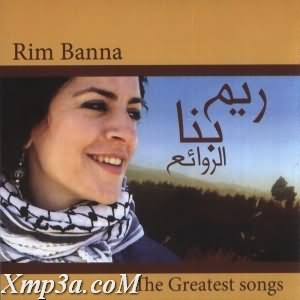
Rim Banna ريم بنا (Reloaded & Revisited)


Rim Banna (born December 8, 1966) is a Palestinian singer, composer and arranger, well-known for her modern interpretations of traditional folk songs. Banna was born in Nazareth, where she graduated from Nazareth Baptist School in 1984. She currently lives in Nazareth with her husband, the artist Leonid Alexeienko, and their three children. 
Banna first achieved popularity among Palestinians in the Palestinian territory which was occupied in 1948 in the early 1990s, after recording a number of Palestinian children`s songs on the verge of being forgotten. Many such songs and rhymes sung by Palestinian families again today, are said to be thanks to Rim Banna`s work in preserving them via her recordings. 
For Banna - whose music is composed and arranged collaboratively with her husband - music is an important tool for cultural self-assertion: "A part of our work consists of collecting traditional Palestinian texts without melodies. So that the texts do not get lost, we try to compose melodies for them that are modern, yet inspired by traditional Palestinian music." 
As such, Banna does not merely mimic the traditional techniques for representation of the pieces she interprets. In her view, "Oriental singing techniques are mostly ornamental … But my voice is more two-dimensional, thicker. I try to write songs that fit my voice. I want to create something new in every respect. And that includes bringing people elsewhere closer to the music and soul of the Palestinians." 
Banna`s popularity in Europe began after Norwegian singer Kari Bremnes, invited her to Oslo after meeting her during a visit to Nazareth. Banna accepted the invitation, and the two artists were subsequently enlisted with others by Norwegian music producer Erik Hillestad to record the 2003 CD Lullabies from the Axis of Evil. 
Dubbed "a musical antiwar message to U.S. President Bush from female singers in Palestine, Iraq, Iran, and Norway,", the album brings these women together with others from North Korea, Syria, Cuba, and Afghanistan - to sing traditional lullabies from their lands in duet form with English-language performers whose translation allows the songs to reach a Western audience.
Banna`s latest album, The Mirrors of My Soul, is a stylistic departure from her previous body of work. Produced in cooperation with a European quintet, it features "Western pop stylings" fused with Middle Eastern modal and vocal structures, and Arabic lyrics. Though the style of this album differs from previous recordings, the subject matter has basically remained constant. The album includes "songs of despair and hope" about the lives of "a struggling people, and even a song about late president Arafat in a way that is both thoughtful and subtle".


Cantante, musicista e attivista per la causa palestinese, Rim Banna è nata a Nazaret il 6 dicembre 1966. Dopo aver frequentato la Nazareth Baptist School, ha iniziato la carriera di cantautrice alla fine degli anni '80, registrando sia brani originali che reinterpretazioni di canzoni palestinesi, incidendo anche album per bambini.
In quanto attivista, molte delle sue canzoni fanno riferimento alla sofferenza causata al popolo palestinese dall'occupazione dei territori da parte di Israele. Le sue interpretazioni musicali in lingua araba sono spesso accompagnate da musica di carattere occidentale, relegando l'utilizzo di strumenti e tecniche tipicamente mediorientali solo ad alcuni brani.
La popolarità di Rim Banna in Europa arriva dopo la collaborazione all'album Lullabies from the Axis of Evil (traducibile con "Ninne nanne dall'Asse del Male"), prodotto nel 2003 dal musicista norvegese Erik Hillestad. Per il disco la cantante duetta con Kari Bremnes, partecipando anche ad uno show in Oslo. Avvalendosi della collaborazione di diverse cantanti provenienti dal cosiddetto "Asse del male" (Iraq, Iran, Corea del Nord, ecc), l'album in lingua inglese voleva essere un messaggio contro la guerra facilmente recepibile da un pubblico occidentale.
Successivamente Rim Banna pubblica The Mirrors of My Soul, un album dedicato a tutti i prigionieri politici detenuti nelle carceri israeliane. I brani eseguiti con la collaborazione di un quintetto norvegese hanno una connotazione musicale pop prettamente occidentale, anche se il messaggio di fondo relativo alla sofferenza dei palestinesi oppressi è rimasto del tutto invariato rispetto ai lavori precedenti della cantautrice.

(Source : Wikipedia)


Rim Banna ريم بنّا - The Dream الحلم


A1 El Helm  الحلم 
A2 Ainak عينيك 
A3 El Moghany المغني
A4 Ya Sety  يا ستي
A5 Ehky Lel Alam احكي للعالم 
B1 Ya  Talen  يا طالعين  
B2 Samt El Leil  صمت الليل 
B3 Dhat Youm ذات يوم 
B4  Ya Leil Ma Atwalk يا ليل ما اطولك  
B5  Last Part Of The Dream  المقطع الاخير من الحلم


HERE


Rim Banna ريم بنّا - Al-Quds Everlasting وحدها بتبقى القدس


01 Beit-Allah
02 You Make Me Gloom
03  Fly and Slow Down, Goose
04 Our Beloved Ones
05 Rain
06  The Child Had Died
07  Kul Kbeibeh
08 Soft Rain in a Faraway Autumn
09 Hala Lala Layyah
10 Al-Quds Everlasting
11 A Part of "Rain" Song


HERE


Rim Banna ريم بنّا – The Mirrors Of My Soul   مرايا الروح


Rim Banna - 2005 - The Mirrors Of My Soul ريم بنّا – مرايا الروح

  
1 - The Mirrors Of My Soul  مرايا الروح   
2 - The Carmel Of My Soul  كرمل الروح 
3 - Malek  مالك 
4 - Ya Jammal  يا جمال 
5 - Masha’al  مشعل
6 - Sarah  ساره 
7 - The Moon Glowed  لاح القمر 
8 - The Top Of The Mountain  راس الجبل 
9 - Fares Odeh  فارس عودة
10 - The Grandma With A Limp  ستي العرجة 
11 - The Voice, The Fragrance And The Figure  الصوت والرائحة والشكل 


Rim Banna and Henrik Koitz ريم بنّا و هنريك كويتس - This was not my story لم تكن تلك حكايتي 


01 Wait for me إنتظريني
02 This was not my story لم تكن تلك حكايتي
03 When عندما
04 She هي
05  Fly love طير يا هوى
06 Hand mill طاحونة
07 Anat my mother عناة يا أمي
08 The wall الجدار
09 Defend the freedom دافع عن الحرية

HERE


Rim Banna  ريم بنّا  – Seasons Of Violet   مواسم البنفسج


Rim Banna - 2007 - Seasons Of Violet ريم بنا – مواسم البنفسج


1 - The Hymn Of The Sea  ترتيلة البحر
2 - The Night Has Fallen Down  أمسى المسا
3 - The Light Gown Of Soul  غلالة الروح 
4 - Seasons Of Violet  مواسم البنفسج 
5 - The First Rain  المطر الأوّل
6 - Beit Allah  بيت اللّه
7 - I’ll Come To You Daisy Like  أجيئك أقحوان
8 - After You Left  من بَعدكَ 
9 - The Dream  الحلم 
10 - A Prayer  صلاة 
11 - The Weeping Of The Rose  بكاء الوردة  


Rim Banna ريم بنّا - April Blossoms نوّار نيسان

http://www.gubemusic.com/static/pub/thumbnail/medium/MEDIA-ELEMENT-404.jpg

1 April blossoms
2 New moon
3 The sheperd
4 Silver fountain
5 The kitten didi
6 Sleep, Dolly, sleep
7 Raindrops on my window
8 Today is my birthday
9 The clock
10 In our orchard
12 Our donkey
13 When we become a little bigger
14 Kul kbeibeh
15 Mum, you are the dearest
16 Happy lesser bairam feast
17 Christmas feast
18 Baylassan
19 A sand house
20 Nura

HERE


Rim Banna ريم بنّا  – Greatest Songs 2011


01.Lah El Qamar (The Moon Glowed)
02.The Carmel Of My Soul
03.The Hymn Of The Sea
04.The Grandma With A Limp
05.The Mirrors Of My Soul
06.Malek
07.The Light Gown Of Soul
08.Seasons Of Violet
09.Ya Jammal
10.Mashaal
11.Sarah
12.The Top Of The Mountain
13.Fares Odeh
14.The Night Has Fallen Down
15.The Voice, The Fagrance And The Figure
16.The Weeping Of The Rose


HERE


Rim Banna ريم بنّا – Revelation Of Ecstasy & Rebellion 
تجليات الوجد والثورة    


01The Absent One
02The Hymn Of The Rain 
03 Supply Me With An Excess Of Love 
04 The Trace Of The Butterfly 
05 The Taste Of Love 
06  Don't Increase His Agony 
07 Stranger In The Gulf 
08 Astonished By You And Me 
09 Two Kinds Of Love 
10  My Heart Tells Me
11 The Free Man
12 The Sun Of Love

HERE


domenica 21 ottobre 2012

Rola Saad رولا سعد - Discography


Rola Youssef Saad, a 34 yearold famous Labanese singer was born in Tannourine, Lebanon in 1978, to a Christian Maronite family and became an orphan as a child. . Her father died when she was just 5 months old. She had at the time two elder sister Zeina and Marie-Rose and a brother Georges. Her mother remarried when Rola was just 2 years old, and the children had to live with the grandmother and her uncle. Growing up Rola Saad said she always felt unlucky.

She entered show business first as a model, appearing in fashion ads, most notably ads for "Habibi" and "Dallou'a" perfumes, as well as landing roles in 2 music videos by Saber Rebai ("Etzakkarak" and "Hayyarouni") and minor roles on television. Her chance to fame came when her vocal abilities were recognized.  Her musical beginnings were with Alam al Phan record label. She also opened a fashion company "Giorgo" with her elder sister. Her biggest hit was a cover of the Sabah classic "Yana Yana", with Sabah making a cameo in the video. The song became a huge success in 2006, topping sales charts . The music video was in heavy rotation on music channels throughout the Arab world.

Rola also is talented in acting, when she made a movie (room 707), and in 2011 she participated in a series (Sayeen Dayeen), in ramadan 2012 she acted on a famous Egyptian series by the name (Bahr W Atshana)


(Source : Wikipedia)


الاسم: رولا سعد

الاسم الثلاثي: رولا يوسف سعد
اسم الشهرة : رولا سعد 
تاريخ الميلاد 25/8/1978 
البرج: العذراء
مكان الميلاد : لبنان--تنوريين بالشمال
الجنسية: لبنانية 
الطول: 170سم
الوزن:54 كيلو
لون العيووون : ازرق
الحالة الاجتماعية:عزباء
مدير الاعمال: الاستاذ كريم ابي ياغي المحترم


رولا الفنانة الجميلة استطاعت ان تصل للنجومية من خلال اعمالها القليلة, توفي والدها و عمرها لم يتجاوز خمس شهوروبعد سنة ونصف هجرتها امها هي واخوتها((زينة--ماري روز--وجورج الاخ الوحيد)) وتزوجت
وتركتهم يعانون ويواجهون قسوة ومصاعب الحياة وآلامها دون اي شعور بالامومة والانسانية ثم عاشت في دير للراهبات حتى عمر16 سنة وكانت تتنقل بين بيت جدتها وبيت عمها...ثم افتتحت وكالة للازياء هي واختها وكان اسم الوكالة جورجيو,ثم اقفلت الوكالةلاحقا وتوفي اخوها جورج الذي كان مقعد على كرسي متحرك ....وكان عمره 28 سنة كان جورج بالنسبة لرولا الاب والاخ والعائلة كلها حيث كان سرها وكل حياتها وكانت وفاته امر واقسى ما مر بحياتها واهدت لروحه اغنية وينك البي ناار.

هذا هو قدرها رولا وقدر اخوتها ان يعيشو محرومو الامومة والام ما زالت على قيد الحياة.
ظهرت رولا اول بداياتها الفنية مع الفنان صابر الرباعي بكليبين هما --اتذكرك وحيروني-
وايضا عملت بمسلسلين ادوار...


(Source : http://www.mawaly.com)


Rola Saad -  Ala Dal El Hal


01. Inta Elly Be7ebak
02. Bahlam
03. Ala DalHal
04. Leih Te3mel keda
05. Ana Eih Ana Lik
06. Makdebtesh 3liek
07. En Ra7 Menak Ya 3ain
08. Men Kol El-3alam
09. Ayza At7ab
10. Ana Wayak


HERE


Rola Saad - Koul Al Gharam


01. An Eznak Ya Maleem
02. Koul Al Gharam
03. Ha Moetek Fia
04. Ana Leyl (Mahma Hassal)
05. Fekrak Hansak
06. Sehrahom
07. La Ablak La Badak
08. Daloah (Duet With Sabah)
09. Da Kalamk
10. Yana Yana (Duet With Sabah)
11. Winak Albi Naar
12. Ya Einy Alyek
13. Hayati
14. Lo Tebqaa Leyla Thefey


HERE


Rola Saad - Al Fostane Al Abyad


01.Al Fostane Al Abyad
02.Al Wad Aho
03.Men Bayn El Kel
04.Be Sharafak
05.Nawealo
06.Ansa
07.Law Janit
08.Shayfak Adamee
09.Ranet Qobqaby
10.Rabbana Yesmaa Mennak


HERE


Rola Saad - Rola   Toughani Sabah

Rola Rola Saad Toughani Sabah - 3 Copertine

01- Intro
02- Ashka We Ghalbana
03- Zay El Asal
04- Le Mejawaz Allah Yezeedo
05- Zakfe Zakfe Ya Shabab
06- Happy Birthday
07- Dakhl Eyounek Hakeena
08- Lamma Ala Tareek El Ein
09- Medley 1
10- Medley 2
11- Teala We Tetaamar Ya Dar
12- Ya Dalaa
13- Eyam El Loulou
14- Saat Saat
15- Yana Yana
16- Habibet Ummaha
17- Amourty El Helwa
18- Eateeny Ya Teita
19- Saute Petit Lapin
20- Ya Meallemty
21- Stop Taxi D'amour
22- Mama


giovedì 18 ottobre 2012

Moneim Adwan منعم عدوان - Once Upon A Time In Palestine / Motayem متیم


Moneim Adwan was born in 1970 at Rafah in the part of Gaza. He start to sing when he was child some populars and religious songs.At 17 years old, he was interesting to play 'Ûd and few years later, he left his country to go to Tripoli (Lybia) where he got a master of Musicology at the University of Arts, with the teachers Fateh el-Ramiz (songs) and Abdallah Sebaï ('Ûd).After a turn in Egypt, Tunisia, Jordania and Irak, he worked during 6 years for differents events of the palestinian gouvernment, Ministery of Education, theater, cinema. He composed a opening music for Bethleem in January 2000. Since 1999, he recorded 3 cds in France : Chicha (meeting with the musician Michel Montanaro and the music of Provence), Nawah (meeting with the singer Françoise Atlan and sefarads songs, Buda Musique), Motayem "ecstatic with love" (meeting with the group Pêcheurs de Perles, music from Irak).In june 2004, he sung for the Fès Festival of world sacred music in Marocco.
.
The songs of Moneim Adwan are his own compositions with all the musical heritage of his culture (traditional palestinian songs and classical arabic music). The text of this musician speak about the history of his country, the feeling and the sawl of palestinian people, the love.His strong and warmer voice who continue to sing is the most beautiful bird to carry the message of peace and hope even the war and the destruction.Moneim would like to transmit the palestinian sawl and philopsophy as much by the traditional repertory Taha than his own compositions Darwish. His last meeting with the sefarad singer Françoise Atlan (Nawah) and the group with irakians influences Pêcheurs de Perles (Motayem) give to him rich exchanges for resonance, tones and meaning.


(Source : http://folkmusicsmb.blogspot.it)


Moneim Abdel Adwan (né en 1970, à Rafah dans la bande de Gaza) est un chanteur et un musicien palestinien. Il a la voix digne des ténors de l'âge d'or de la musique arabe du début du XXème siècle. Il chante depuis son enfance avec sa voix chaude des chants populaires et des louanges dédié au Prophète, de l'exil, de la patrie perdue, de l'amour sublime et sublimé. Ses chansons sont des créations qui s'inspirent du patrimoine musical traditionnel de son pays et du répertoire classique arabe, tentant de proposer une nouvelle musique basée essentiellement sur les connaissances et les expériences Moyen-Orientales, ce qui fait de lui, un chanteur au statut national en Palestine.

"Quand vous écoutez une musique et qu'elle vous touche, il vous importe peu d'en connaitre l'interprète. Vous ne chercherez pas à l'identifier parce que cela ne changera rien à l'amour que vous avez pour sa musique. Vous aimez l'œuvre et son auteur même si ce dernier est différent de vous et même s'il n'a pas la même religion, la même langue et ne partage pas les mêmes croyances que vous. Je pense que l'art, généralement, et la musique tout particulièrement rapprochent les peuples de manière positive. Nous avons besoin, comme disait le poète Mahmoud Darwich, «de plus temps et de plus d'amour pour nous rencontrer…». Nous n'avons pas vraiment saisi toutes nos chances pour réaliser la paix ou du moins chercher s'il existe une vraie paix ou non. "
Sa mère transmet à ses enfants la passion de l'héritage des chansons traditionnelles de la région de Gaza qu'elle chante pour toutes les occasions : les mariages, les naissances, le travail...D'une famille de Cheikh, la récitation coranique fait aussi partie de l'environnent sonore de Moneim. A dix-sept ans, il s'intéresse au oud. Il enregistre notamment aux côtés de Françoise Atlan dans un répertoire mêlant chants spirituels musulmans et juifs séfarades.

Après ses études, Moneim commence une tournée en Tunisie, en Égypte, en Jordanie et en Irak. De retour à Rafah en 1994, il travaille pour différents évènements organisés par le gouvernement palestinien, comme musicien, à l'occasion des nombreuses fêtes qui sont données en l'honneur de visiteurs étrangers et des dignitaires du pays.

Il prépare par ailleurs des programmes éducatifs destinés aux ONG et aux écoles soutenues par le "Ministère de la Culture et de l'Éducation". La musique accompagne alors les évènements importants de la reconstruction du pays. Moneim compose aussi des musiques pour le cinéma ("Radim" avec Abd el-Salam Shrada), le théâtre ("M.Perfect" du théâtre Fikra), les séries de la toute nouvelle télévision palestinienne, les reportages, les émissions de radio. Depuis 1999, il enregistre trois disques en France : "Chicha" (rencontre avec le monde musical provençal), "Nawah", "Motayem le fou d'amour" (rencontre avec le groupe d'influences irakiennes «Pêcheurs de Perles»).

Les chants de Moneim Adwan sont des créations originales inspirée du patrimoine musical traditionnel palestinien et du répertoire classique arabe. Les textes de ce musicien comme sa musique mettent en mouvement la tradition pour que ces traditions restent vivantes, tout en suivant le chemin d'une évolution parfois difficile dans un pays opprimé.

2009, Moneim Adwan est un musicien soucieux de faire partager l'âme et la philosophie palestinienne à son public autant par le biais du répertoire traditionnel.

Moneïm Adwan Quatuor. Ce groupe palestinien qui s’illustre dans le style populaire en proposant une musique arabe traditionnelle qui se mêle divinement bien à la sublime voix de Moneïm Adwan, leader et luthiste du quatuor qui chante la douleur de tout un peuple meurtri et dont la terre a été spoliée, et c’est pour cela que la plupart des textes célèbrent l’errance et évoquent l’horizon et la mer. Il y a une sorte de naïveté largement perceptible dans le choix des mots et l’attachement à la nature, mais le propos est percutant.
On dit de lui :
« Il est difficile de résister aux émotions diffusées par sa voix, qui, pour aller vite n'est pas sans rappeler celle de Cheb Mami. Tous deux ont en partage cette saisissante aisance a monter vers les aigus. (...) En lançant ses vers, cet artiste atteint plus sûrement le cœur et l'âme de ses auditeurs que s'il usait des canons de la propagande. Moneim Adwan appartient à cette courageuse confrérie qui tisse des liens au lieu de les couper ». Michel Doussot, Routard Mag, 21 mars 2006
« Moneim Adwan, qui vit dans le sud de Gaza, chante des thèmes plus habituels à la poésie arabe, l'amour, la spiritualité, la nature...Il a la voix digne des ténors de l'âge d'or de la musique arabe de la première moitié du XXème siècle (...) Moneim Adwan chante des pièces méditatives, des amours contemplatives dans la tradition de la grande musique arabe. 'Et je rêve d'une patrie/Ressemblant a une patrie/Qui réveille le temps', chante-t-il, rattrapé lui aussi par un destin qui s'appelle Palestine. », Musiques world, décembre 2005
« Le flot aigu de son chant, émaillé de mélismes à la limite du sanglot, parfois incertain au début du concert s'épanouit lors des derniers morceaux en un appel fervent chargé d'inspiration. Moneim Adwan aura été ce soir la grande révélation du festival de Fès. Son nom pourrait bien refleurir, « Inch'allah », sur les affiches de bien des festivals de musiques du monde. » François Bensignor,Mondomix reportages, 2 juin 2004.

Moneim Adwan interprète en live dans le studio de Radio Grenouille deux morceaux issus de son dernier album, "Il était une fois la Palestine" (Accords Croisés - Harmonia Mundi). Pour en savoir plus : Site de Moneim Adwan

La sublime poésie soufie du mystique et poète du 12/13e siècle Ibn Arabî inspire depuis des siècles ceux qui veulent entreprendre un ‘voyage sans distance’ sur la voie spirituelle et approfondir la sagesse de l’âme. Ibn Arabî est aussi l’auteur d’une multitude de prières, dont certaines sont encore utilisées aujourd’hui. Moneim Adwan a puisé dans cette richissime matière pour réaliser un programme de réflexions lyriques et musicales. Ce luthiste et musicologue palestinien est aussi imprégné de la tradition du chant de son pays. Le patrimoine musical de la région d’Al-Châm (Syrie, Liban, Jordanie, Palestine) constitue avec le répertoire arabe classique la principale source d’inspiration de ses œuvres.
Louvoyant entre traditions ancestrales et histoires musicales contemporaines, le centre AMUZ est le cadre idéal pour s’engager dans la voie tracée par Moneim Adwan.


Moneim Adwan منعم عدوان - Once Upon A Time In Palestine


01 - Law Ani Moughani
02 - Seb'a Nejmat
03 - Chat el Bahr
04 - Ana Darwiche
05 - Saher al Hawa
06 - Douzeni
07 - Qalb
08 - Mise En Rang


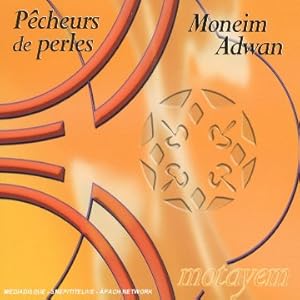
Pêcheurs de perles & Moneim Adwan منعم عدوان - Motayem متیم


Motayem (Iraq Palestina)


The songs of Moneim Adwan are creations inspired by the Palestinian traditional musical patrimony and by the Arabic classic repertoire. His texts deal with his country's history, the Palestinian daily life, love. His compositions revive the tradition to keep it alive and make it achieve a sometimes difficult evolution, in a country where oppression and fear have now replaced reconstruction and hope.
Pêcheurs de perles ("Pearl Fishermen" in French) is a band made of four European musicians led by an Iraki composer, ud player and singer, Mohamed Alhuma, who created the band. Together, they play Sufi music, recalling the days when musicians used to be bound to help pearl divers in the Persian Gulf by giving rhythm to their job.


1. Goulli 
2. Taierh 
3. Alouzoubia 
4. Cecoslovacchia 
5. Salli 
6. Chal Chal 
7. Tallah 
8. Hassan 
9. Yamma 
10. Khaderi 
11. Hal Halli 


domenica 14 ottobre 2012

Abu Arab أبو عرب - Hady ya bahr hady هدي يا بحر هدي


Abu Arab Ibrahim Mohammed Saleh, a poet and singer Great Palestinian Revolution. Born in the village of Abu Arab tree spend Tiberias in Palestine in 1931, and moved from Lebanon to Syria, Tunisia, and camps in the diaspora in the world. And his son died during Israeli raids in the war. And saw the "Abu Arab" in his childhood the major breakthrough of the Palestinian revolution in 1936 against British occupation and Zionist settlement, which he has devoted all his poems, where his grandfather had used to pay tribute to the revolution and to encourage the Mujahideen, and to incite the people against the British occupiers.

The foundations of his band, the first in Jordan in 1980 and was named team of the Palestine People's Heritage, and was composed of 14 artists. After the death of the artist Naji Al-Ali, one of the relatives were Abuarb change the name of the band to band Naji Al-Ali.‬

He said of himself: "I am a poet and Matarbha Palestinian refugee camps," and vowed to make fun of his hair and his voice to motivate the Palestinian people to continue the struggle against the occupier, and it was as well .. and continued


‫أبو عرب إبراهيم محمد صالح، شاعر ومنشد الثورة الفلسطينية الكبرى. ولد أبو عرب في قرية الشجرة قضاء طبرية في فلسطين سنة 1931، وتنقل من لبنان إلى سوريا وتونس ومخيمات الشتات في العالم. استشهد ولده أثناء الغارات الإسرائيلية في الحرب. وشهد "أبو عرب" في طفولته انطلاقة الثورة الفلسطينية الكبرى عام 1936 ضد الاحتلال البريطاني والاستيطان الصهيوني والتي كرس لها جده أشعاره كافة حيث كان استخدمها للإشادة بالثورة 
ولتشجيع مجاهديها، ولتحريض الشعب ضد المحتل البريطاني.

أسس فرقتة الأولى في الأردن سنة 1980 وسميت بفرقة فلسطين للتراث الشعبي، وكانت تتألف من 14 فنانا. وبعد استشهاد الفنان ناجي العلي، وهو أحد أقارب أبوعرب تم تغيير اسم الفرقة إلى فرقة ناجي العلي.

‫قال عن نفسه: "أنا شاعر المخيمات الفلسطينية ومطربها"، وأقسم على أن يسخّر شعره وصوته ليحفز الشعب الفلسطيني على مواصلة النضال ضد المحتل، وفعلا كان كذلك.. واستمر


Abu Arab  أبو عرب  - Hady ya bahr hady  هدي يا بحر هدي

.
هدي يا بحر هدي 01 hadi ya bahr hadi
انا ماشي ياختي ودعيني 02 Ana Mashy Yakhty Wd3yny
03 شهر وسنة shahr wa sana
04 عتابا ataba
اطفال نزلت ع الحاره 05 Atfal Nzlt 3 Al7arh
06 يشهد الله yashhadu allah
العيد 07 Al3yd
إيدي بايدك 08 Eydy Baydk
يا أرض 09 ya ard
خاتمه 10 Khatmh


HERE

Julia Boutros جوليا بطرس - Selected discography


Julia Boutros (Arabic: جوليا بطرس‎; born April 1, 1968 ) is a Lebanese Palestinian singer that rose to stardom in the 1980s with a series of Palestinian nationalistic songs like "Ghabet Shams El Haq" and "Wen el malaieen". She is also the sister of Lebanese-Palestinian songwriter Ziad Boutros.Julia was born in Beirut, Lebanon on April 1, 1968 into Maronite Christian family to a Lebanese father and Palestinian Armenian mother. She was educated at the Rosary Sisters Schools where she sang in the school choir. Growing up, she and her brother were heavily influenced by Ziad Rahbani's works. When she was 12 years old she recorded her first song, entitled "A Maman"  at Elias Al Rahbani studios. This was introduced to her by her music teacher Fouad Fadel. She also recorded two songs, "C'est la Vie" & "Viens dans Ma Vie" 

On October 11, 2006, Julia announced a new single called "Ahibaii" (My loved ones). The lyrics are based on a letter sent by Hizbollah secretary general Hassan Nasrallah to the fighters in South Lebanon during the 2006 Summer War between Lebanon and Israel.The poet Ghassan Matar adapted the original text. The music is composed by Ziad, brother of Julia and arranged by Michel Fadel. The profits from the song's sale went to help the families of Hizbollah fighters and to all Lebanese who died during the Israel-Lebanon conflict. Sales eventually garnered three million dollars for the families of the Lebanese civilians, soldiers, security forces, and Hezbollah militants who have been killed in the Israel-Lebanon conflict. The sum was triple the original aim, which was only one million dollars. The families of Lebanese soldiers killed during operation Naher el-Bared also received a portion of the money. 


(Source : Wikipedia)


Julia Boutros جوليا بطرس - Ghabet Shams El Hak غابت شمس الحق


01 Ghabet Shams El Hak غابت شمس الحق
02 Ya Sha'Bi يا شعبي
03 Nadani Wa Albi Mai ناداني وقلبي مال
04 Bikhyalak بخيالك
05  Ayuha Al Samitun ايها الصامتون
06  Wemnisa'Al ومنسأل
07 Meen Dallak مين دلّك
08 Nseeni Habibi نسّيني حبيبي
09  Hkeni حكيني
10  Mausem Al Khareef موسم الخريف


HERE

Julia boutros جوليا بطرس - wayn masafer وين مسافر


1 - Wayn Masafir
2 - Bas Kilma
3- Alesa
4- Thowar Al Ard
5 - Ala 'baly hubb kabir
6 - Ehkely
7 - Shou Hal Haki
8 - Hejar El Mensiyen

HERE


Julia Boutros جوليا بطرس - Hikayet Atab  


01  Jitou Wel Takayna جيتو و التقينا
02  Mindal منضل
03 Hikayat Atab حكاية عثب
04  Nehna Wa Bayrout نحنا و بيروت
05 Lamma Il Ta'ayna لما التقينا
06  Kirmalak كرمالك
07 Bard Wa Nar برد و نار
08  Limaza لماذا
09  Kouwit Mahabi قوة محبة
10  Shou Zghir Ya Immi El Haki شو صغير با ابي الحكي
11 Jitou Wel Takayna (Music) جينا و اتقينا - موسيقى

HERE


Julia Boutros 
جوليا بطرس‎ - Kosass  


01.Ya Kosass
02.Laych El Hob Elawel
03.Waynoun Habayebna
04.Min Halak La Bokra
05.Lachu Tirja'a Bi Hallayl
06.Dawa Ellayl
07.Wakef Ya Zamane
08.Roubama


Julia Boutros جوليا بطرس -  Al Karar  


01 Beyn El Waldane Wel Jadd بين الولدنه و الجد
02 Ana Mich ILak انا مش الك
03  Akhad El Karar اخد القرار
04  Shou Beddak شو بدك
05  Bhakik بحاكيك
06  Kiloun Bi'ouloulak Boukra كلن بيقولوا لك بكرا
07 A'am Teghfa Elsa'at عم تغفى الساعات
08 Kiloun Bi2ouloulak Boukra (instrumental)

HERE


Julia Boutros جوليا بطرس‎ - Chi Gharib  


01 Chi Gharib
02 El Bahr El Hadi
03 Ala Zaou'ak
04  Ou'a Tkoun Nssit
05 We Beymork Lyyam
06 Tofli Elli Jayi
07  El Amal El Jayi
08 Dubai Laou Tas'alina El Bawha
09 Ya Ayyouha El Kiba

Julia Boutros جوليا بطرس - Bisaraha 


Image Hosted by ImageShack.us


1. Bi Saraha
2. Wa'd
3. Kelmeh Aal Waraq
4. Elna Mazha
5. Ma Maraq
6. Nashid El Horriyeh
7. Nehna El Sawra Wel Ghadab
8. Ma Am Befham Arabi 


Julia Boutros جوليا بطرس - La B’ahlamak  


1. La B'ahlamak
2. Ma Tettalla' Heik
3. Ala Shou?
4. Shou Sayer Bi Halak
5. Emghalat Bel Enwan
6. Allah Ma'ak
7. Betnaffas Horriyeh
8. Byenkesser Hal Lail

HERE


Julia Boutros 
جوليا بطرس - Ta'awadna Aleik  


1. Ta'awadna Alaik
2. Habibi
3. Tghayart Ktir
4. Deblet Bakkir
5. Mfakker Inta
6. Ma Btefhamni
7. Menhebbak Aih
8. Khawfi A Weladi


HERE

 
Julia Boutros جوليا بطرس‎ - Yawman Ma 


01 Ya Mashallah 1 

02 Chou El 7elo Fik 
03 Watani
04 Ma Yawman
05 Alou Mchina
06 Atlek Niranak
07 Mokawem
08 Ya Mashallah 2
09 Kellon Sawa
10 Baadak Ma3i

HERE
Related Posts Plugin for WordPress, Blogger...